Exploring Irezumi and Tebori Tattoo Techniques: Insights from My 15th Trip to Japan
Japan Trip Inspiration
TRAVEL
Irezumi & Tebori
Inspiration from Japan (15th Trip)
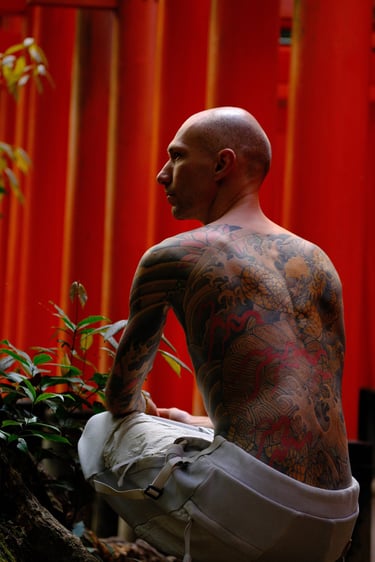
This was my 15th trip to Japan — a place that continues to shape my work as a Japanese tattoo artist in Munich. My focus remains on irezumi and tebori tattoo, and each visit adds depth through observation, experience, and direct contact with the culture.
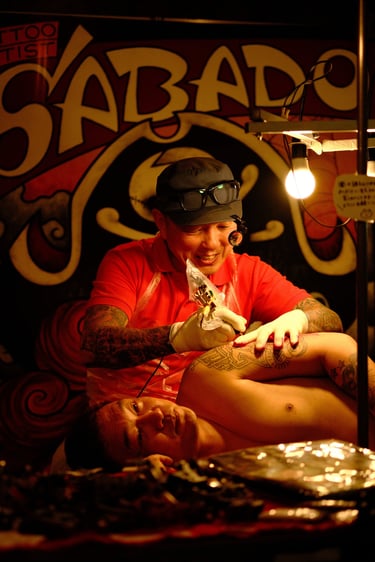
In Tokyo, I attended the King of Tattoo convention. There, I met and spoke with a range of Japanese tattoo artists — from traditional tebori and wabori artist to artists working in more modern interpretations of Japanese tattooing. These exchanges are always valuable: different approaches, but the same foundation of respect for form, flow, and discipline.
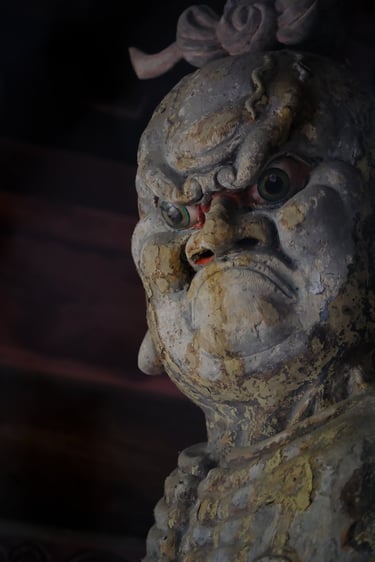
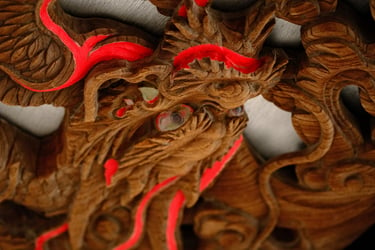
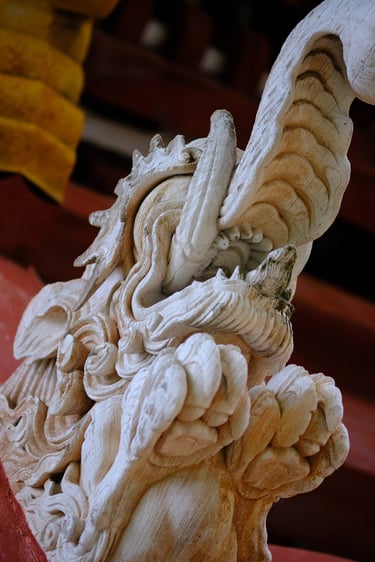
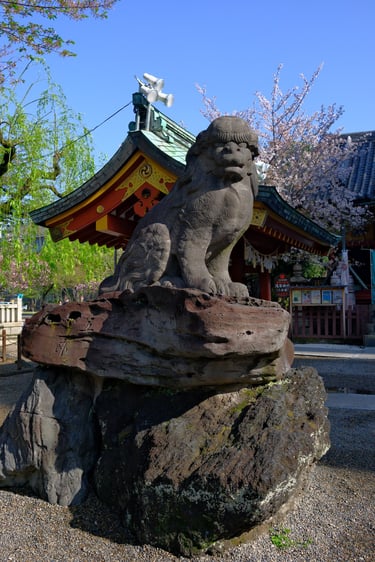
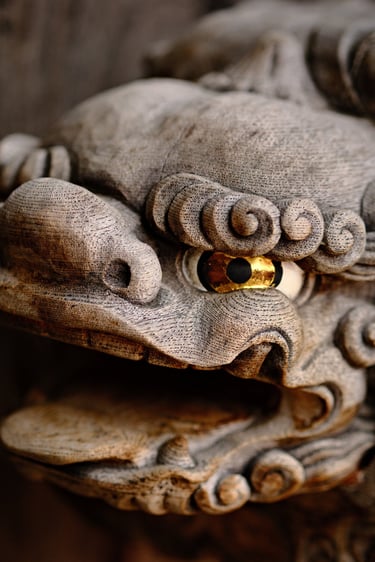
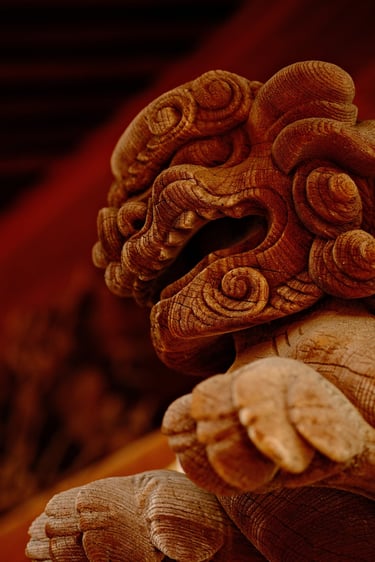
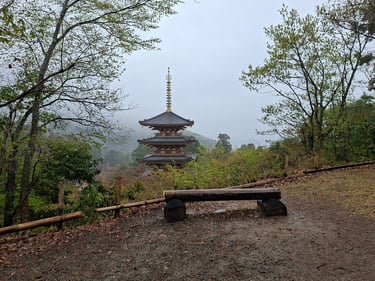
In Kyoto, I revisited several temples, including Sanjusangendo — for perhaps the 10th time. It still leaves a strong impression. The architecture, repetition, and atmosphere continue to influence how I think about composition in Japanese tattoo sleeves and backpieces. Other temples with large ceiling dragons and detailed wooden carvings also remain a constant source of visual reference.
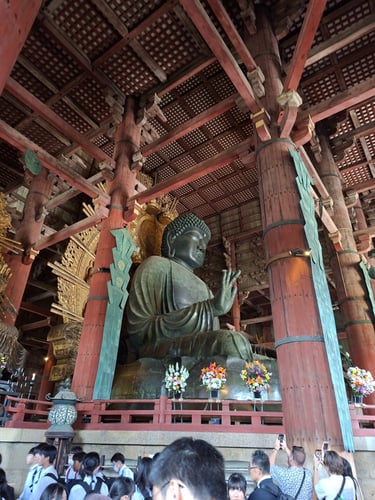
A visit to Nara included the Great Buddha — a calm but powerful presence. Time there felt balanced between rest and cultural inspiration, something that naturally feeds into long-term irezumi projects.
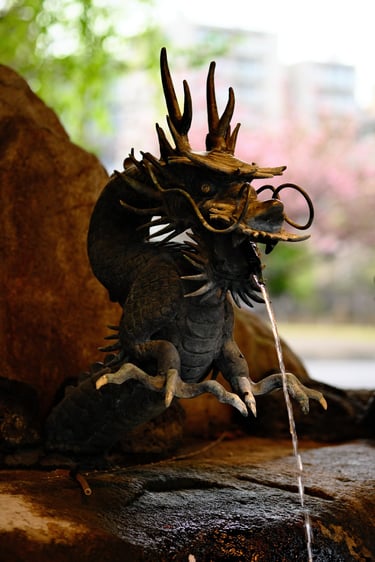
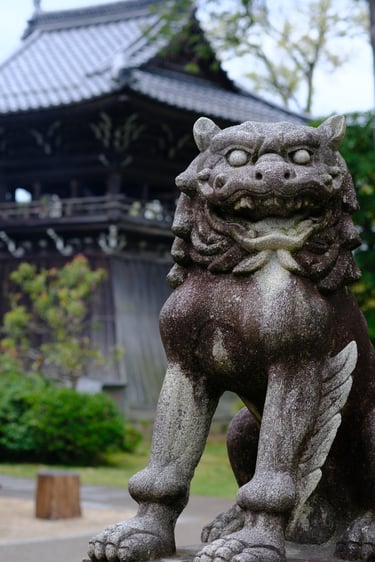
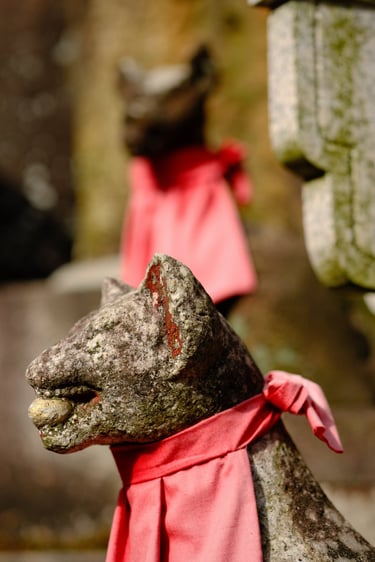
Beyond the main cities, smaller towns and countryside areas offered another layer of influence. Traditional wooden carvings on temples — especially dragons — provide direct reference material that I later translate into Japanese tattoo designs in Munich, adapting them to anatomy and flow rather than copying.
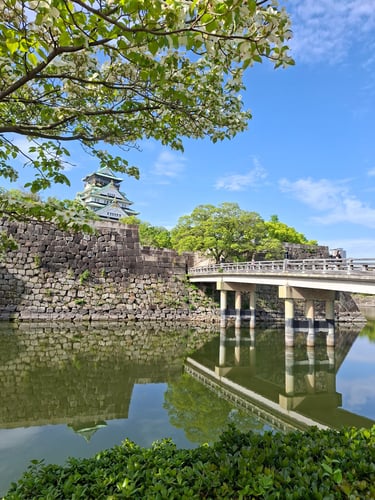
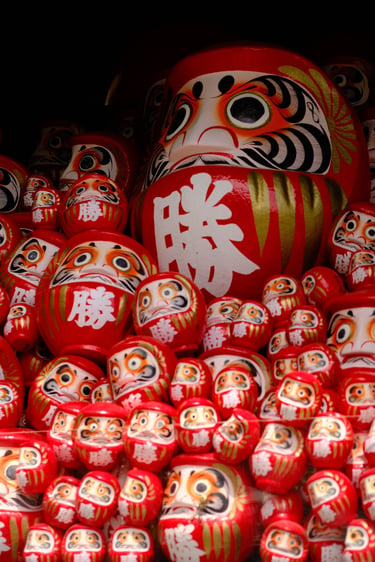
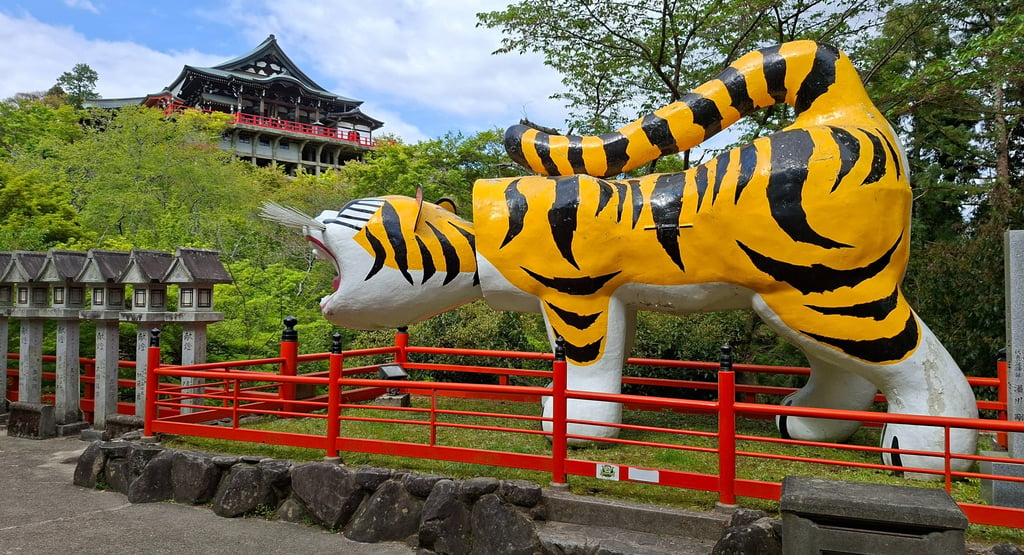
In Osaka, the energy of the city contrasted with daily trips into the mountains. Visiting temples with daruma figures, large tiger imagery, and evening viewpoints with thousands of lights overlooking the city created a strong visual contrast — something I often use when balancing elements in Japanese tattoo compositions.
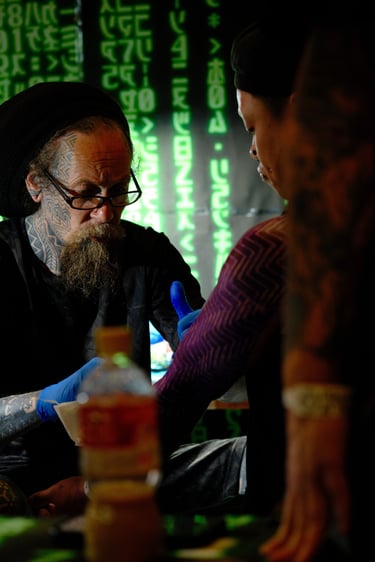
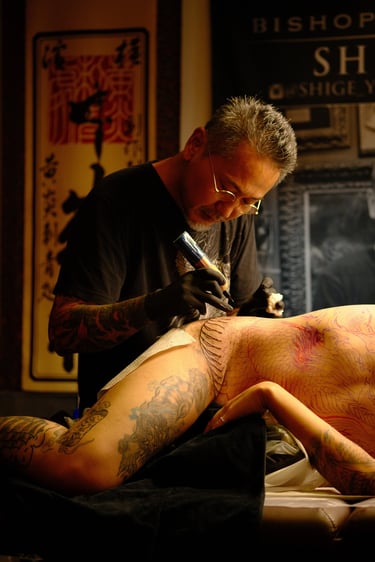
An important part of this trip was visiting my tebori master again. We continued working on my leg using traditional hand technique. This is an ongoing process over many years. Tebori tattooing builds a different understanding of rhythm, depth, and patience — something I bring into my work as a tebori and irezumi tattoo artist in Munich, Germany.
Two weeks, focused and productive. Not just travel, but continuous study. Each trip to Japan refines how I approach Japanese tattooing in Munich — from structure and flow to meaning and long-term planning of large-scale work.
If you’re looking for an authentic Japanese tattoo in Munich — sleeve, backpiece, or large project — my work is based on direct experience, repeated study in Japan, and a strong focus on traditional composition adapted to the body.